Antibiotic Resistance: Why is it so important?
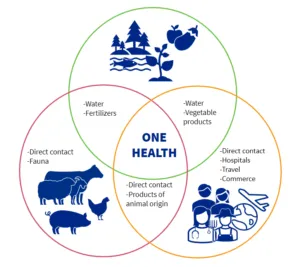
Antibiotic resistance is defined as the ability of bacteria (and other organisms) to withstand the effects of antibiotics, making it much more difficult to treat infections. This is an incredibly important issue as it affects the health of both humans AND animals worldwide.
What are antibiotics?
Antibiotics are a group of drugs that treat bacterial infections and some parasitic infections. There are many types of antibiotics from those that kill the bacteria to those that can stop it from multiplying. There is no one size fits all when it comes to treating infections. Certain antibiotics are more effective against specific types of bacteria. They are completely ineffective against viruses such as the common cold.
HOW does resistance happen?
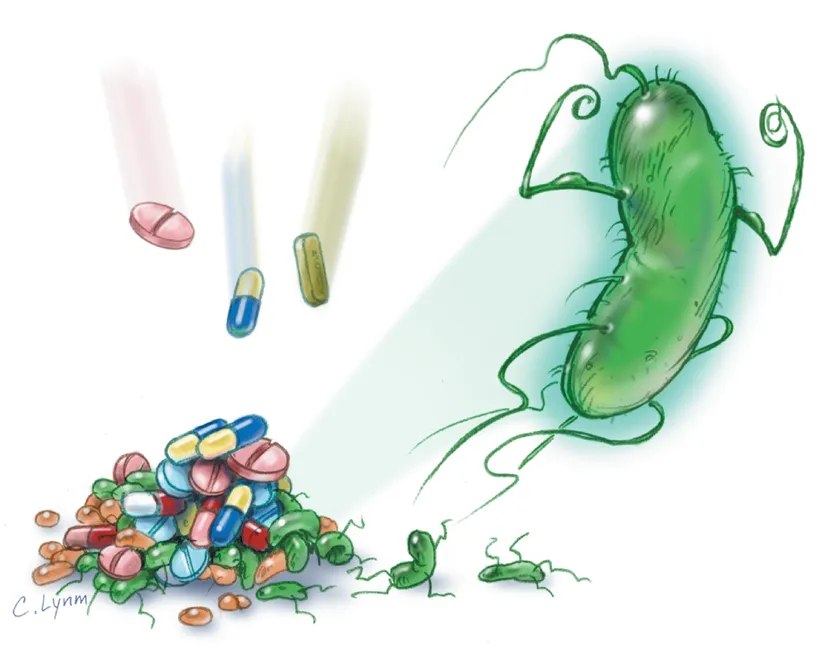
Antibiotic resistance happens when the bacteria change or mutate and therefore become less sensitive to an antibiotic. More frequent and incorrect use of these medications are what allows the bacteria to survive, grow and multiply. The mutated bacteria are able to pass their genes to other bacteria, forming a new antibiotic resistant 'strain' of bacteria.

WHAT can we do to have a real impact on this problem?
The actions we take as individuals and as our pet's advocate can truly make a difference. One of the most effective measures one can do is to use antibiotics responsibly. This includes the following:
* Always administer antibiotics as prescribed. This includes the dosage, frequency, and duration of treatment.
* Do not stop giving the antibiotics even if your pet seems much better, as this can lead to the development of resistant bacteria.
< One exception to this rule is if your pet is having negative side effects such as vomiting or diarrhea >
* Never give your pet antibiotics without a veterinarian's prescription.
* Properly dispose of expired antibiotics to a pharmacy or participate in community medicine take-back programs.