
Why is Play behavior so important?
Play serves such a pivotal role in the lives of our animals. From complex social interactions to vigorous physical games, play behavior is critical for many forms of development.
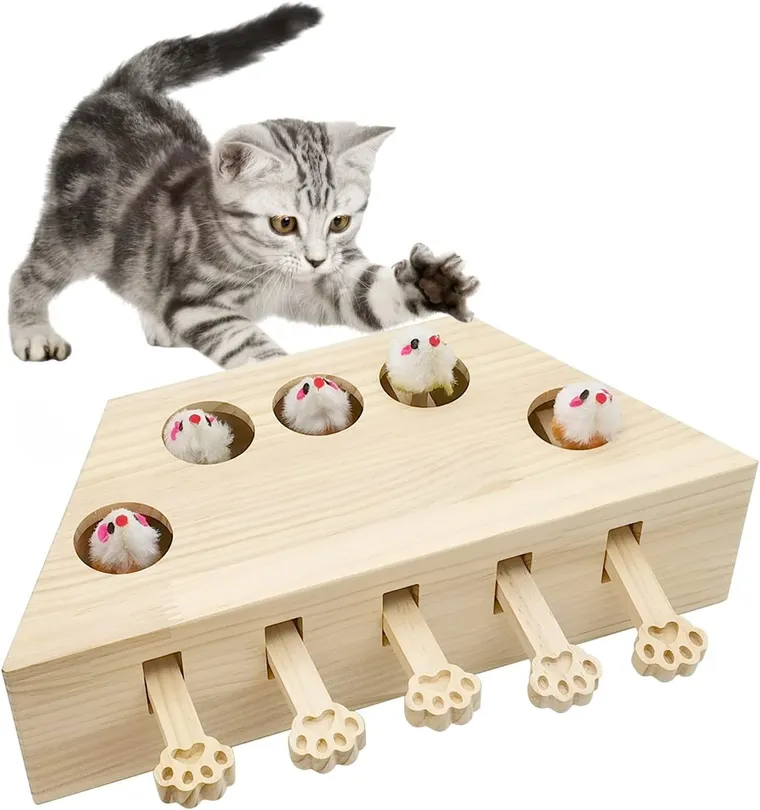
1. Cognitive Development
Play is theorized to play a crucial role in cognitive development among animals. By engaging in playful activities, such as exploring novel objects or solving puzzles, animals enhance their cognitive abilities and adaptability to changing environments.
Playful interactions stimulate the brain, promoting learning, memory retention, and problem-solving skills that are essential for survival and adaptation.
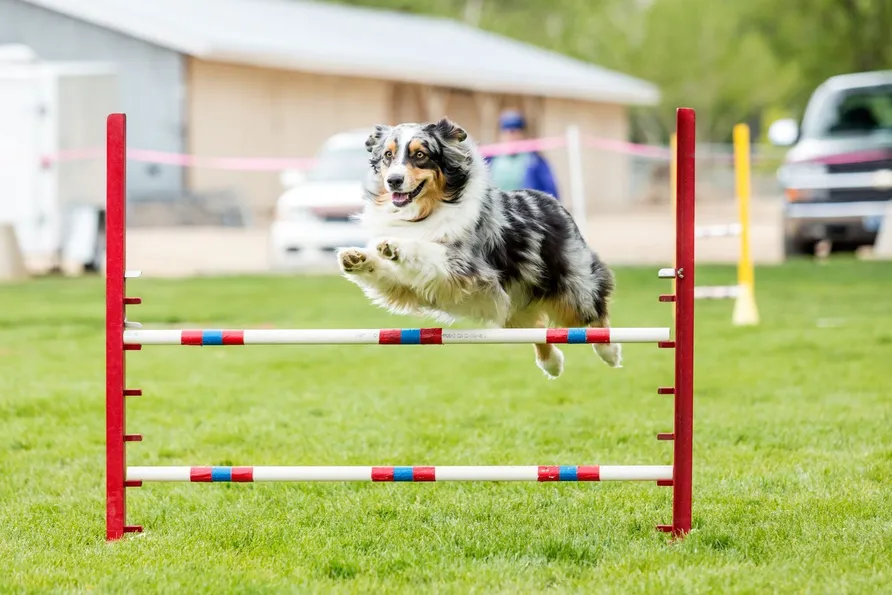
2. Physical Development
Another theory proposes that play behavior contributes to physical development by providing opportunities for animals to practice and refine their motor skills, coordination, and physical agility.
Through activities like running, jumping, and climbing, animals strengthen their muscles, improve their balance, and enhance their overall physical fitness, which is vital for survival in their natural habitats.
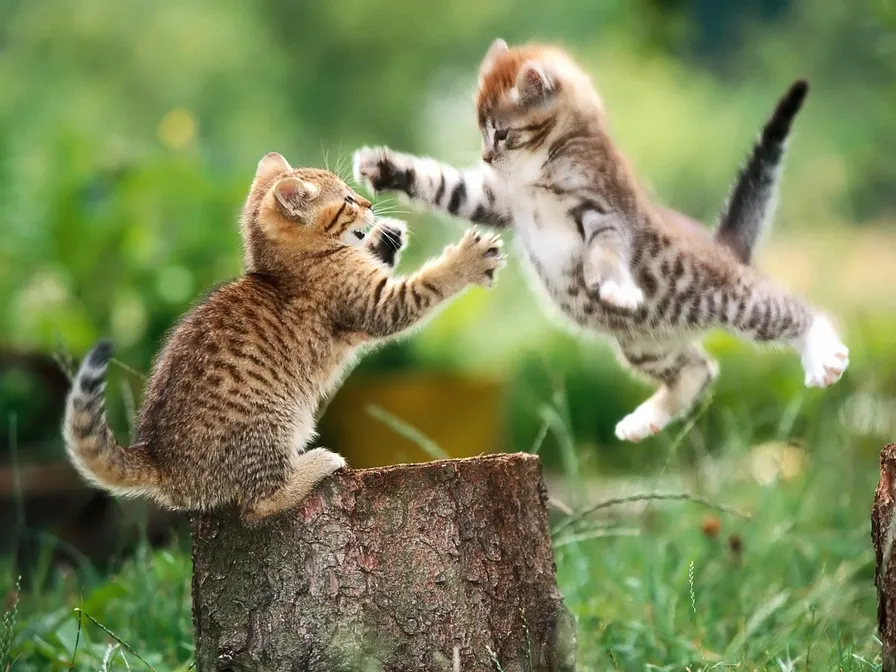
3. Social Development
Play behavior is also thought to be instrumental in social development among animals. By engaging in playful interactions with peers, siblings, or members of their social group, animals learn valuable social skills, such as communication, cooperation, and conflict resolution.